The Expert in the Room

In radiology, knowing the answer is only the price of admission. The rarer skill is making that answer mean something.
SOMEWHERE this morning, a radiology director opened a service report on a CT scanner and found a number they didn’t recognize. It might be nothing. It might be the first sign of a problem that will take the scanner offline for a week, cancel dozens of patient appointments and draw the attention of an accreditation body. The report won’t tell her which. For that, she needs a person.
Modern imaging departments run on that kind of person: the physicists, engineers and specialists who understand the machinery, the magnets and X-ray tubes, yes, but also the thicket of regulations, accreditation standards, safety protocols and manufacturer guidance that surrounds them. As the technology grows more sophisticated, their knowledge becomes more essential. But ask the people who rely on them what separates a good expert from a great one, and the answer is rarely about how much they know. It’s about what they do with it.
The Four Questions

Real experts, it turns out, spend surprisingly little time proving how smart they are. Their gift is taking something complicated and making it understandable.
A hospital administrator facing a technical issue usually doesn’t need a seminar. She needs answers to four questions: Is this a problem? How serious is it? What should we do about it? And how fast?
Expertise earns its keep when it answers those questions clearly. An expert who can spot a problem but can’t explain why it matters hasn’t solved anything. They’ve simply handed the team a second problem. Figuring out what the first one means.
Signal and Noise
Few workplaces generate information at the pace of an imaging department. Equipment evaluations, service logs, quality-control results, regulatory updates, accreditation requirements, safety procedures and manufacturer recommendations all compete for attention, and each arrives looking equally urgent. The craft of expertise lies in knowing the difference between the routine and the alarming.
Anyone can read a number off a report. The expert knows what the number is saying.
- Is it within the expected range?
- Has it drifted since last quarter?
- Is it an isolated quirk or the leading edge of something larger?
- Should someone keep an eye on it, or pick up the phone right now?
That judgment, call it context, is often worth more than the raw technical knowledge underneath it. The value isn’t in finding the information. It’s in understanding what the information means.
Lost in Translation

Every technical field develops its own dialect. Among specialists, it’s efficient shorthand. But it becomes a wall when the information has to reach administrators, physicians, technologists and others who are responsible for making decisions. Translating technical findings into plain language is a discipline of its own, and an underrated one.
The best version often sounds disarmingly simple: Here’s what we found. Here’s why it matters. Here’s what I’d do next.
That economy doesn’t erase the technical knowledge behind the recommendation; it demonstrates it. Making something complicated feel simple is one of the hardest things a specialist can do, and one of the surest signs they truly understand it.
The Pattern Library

Textbooks, standards and training can teach the rules. Experience teaches something harder to name: pattern recognition. A professional who has walked through hundreds of facilities, worked on hundreds of machines and lived through dozens of strange situations begins to sense when something is off before it is obviously wrong. They remember a similar case from years earlier. They know which questions to ask, because they have seen what happens when nobody asks them.
None of that fits neatly into a procedure manual. And paradoxically, it may matter more as the machines get smarter. Technology now produces more data than ever before. Expertise is what decides what to do with it.
Better, Not Beholden

There is one more test of a great technical expert: whether they leave the people around them more capable. They answer a question in a way that makes it easier to ask the next one. They explain the reasoning behind a recommendation instead of simply issuing a verdict. They share what they know and teach teams what to watch for. They don’t hide behind complexity as a show of authority.
Over months and years, a team that works alongside that kind of expert grows more confident and more knowledgeable. Expertise that leaves everyone else perpetually confused has fallen short, no matter how impressive it sounds in the meeting.
A Matter of Judgment
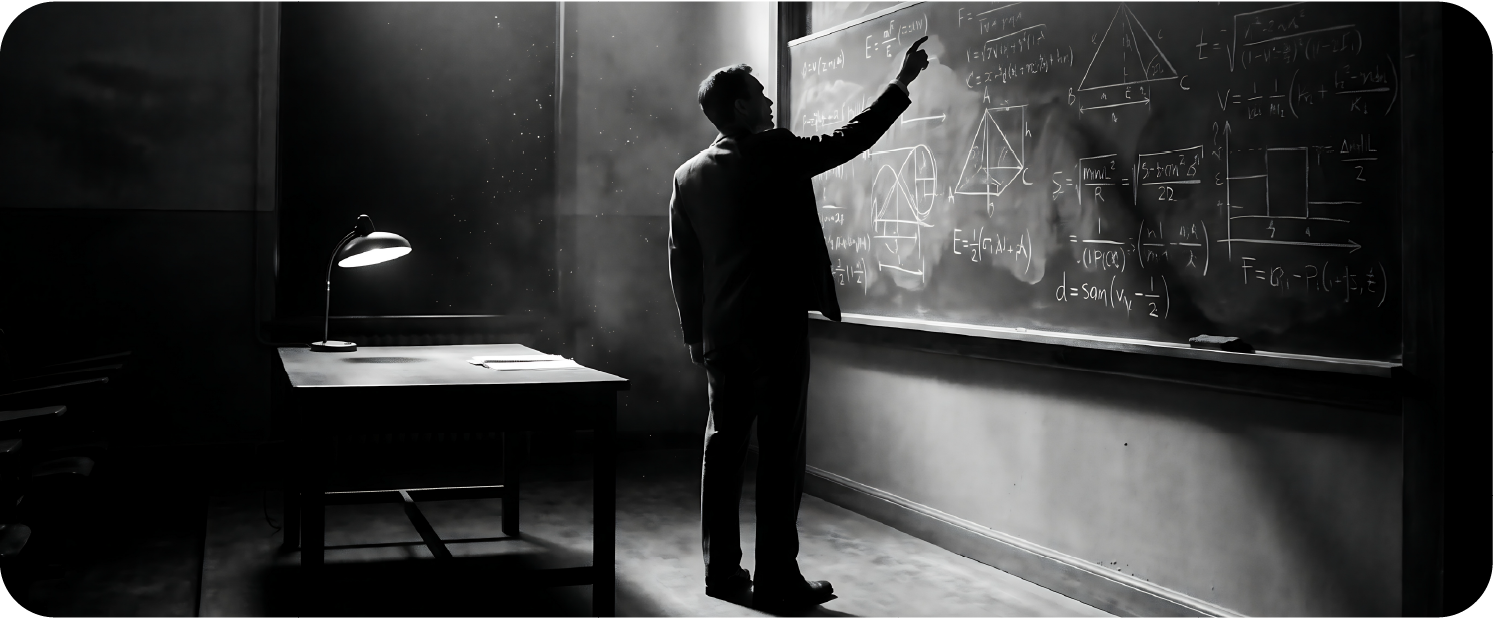
In the end, it comes down to judgment. Knowledge, training, credentials and experience all count, but their real value shows up only when they combine into something sound: knowing when an issue matters and when it doesn’t, when to dig deeper and when to act, and how to explain all of it to the people who have to decide.
Radiology will never run short of technical detail. What it will always need are people who can turn that complexity into clarity, and then turn that clarity into better decisions. For the director with the puzzling number on their desk, that is the difference between a worry and a plan.
Blog Form Survey Meter Calibration Service