Behind the Image: Rad Techs, We See You
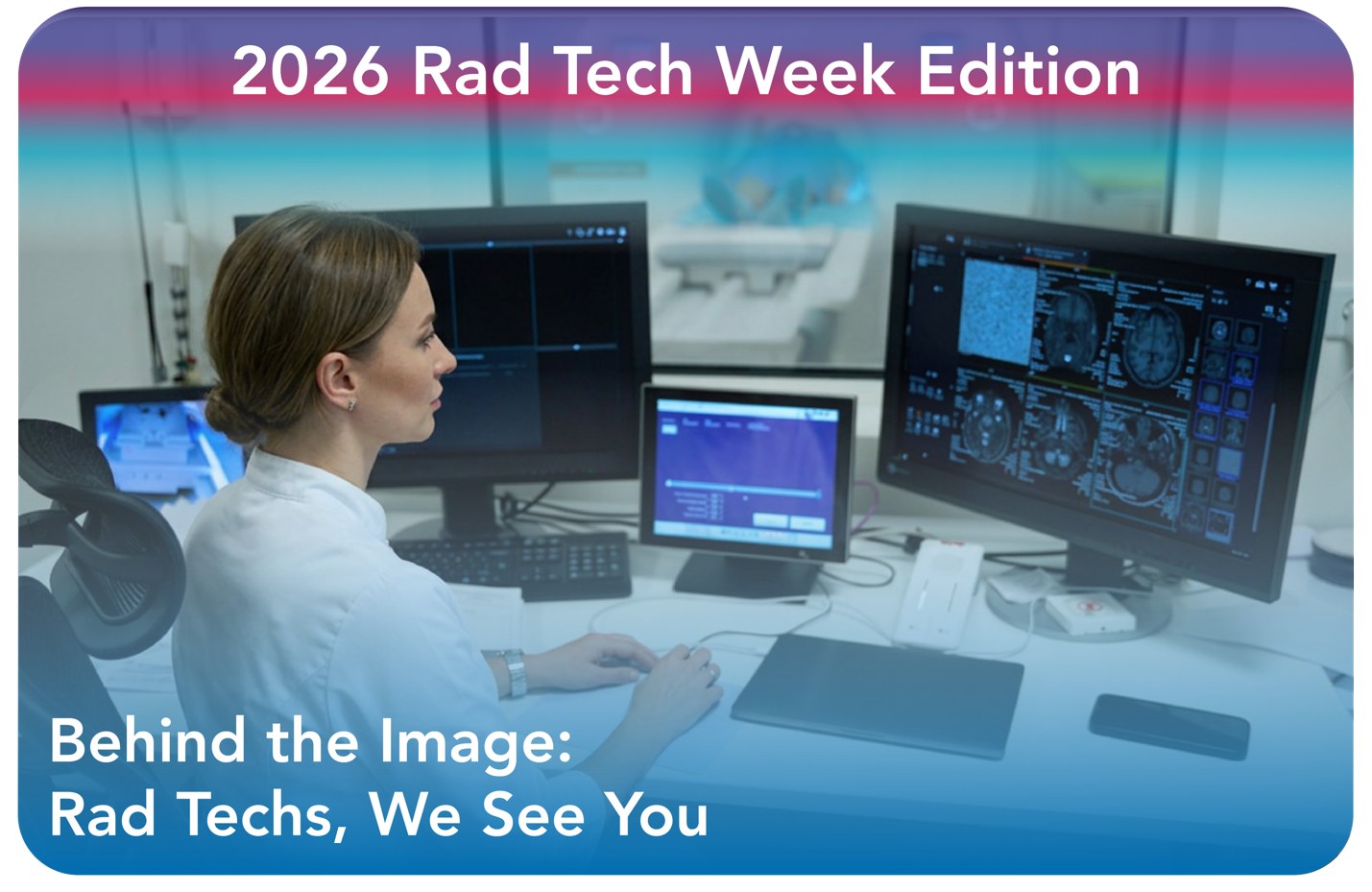
They take the picture. They also calm your nerves, keep you safe, and make sure your doctor gets exactly what they need. This Rad Tech Week, meet the people on the other side of the glass.
Think back to the last time you had an X-ray. Maybe it was a rolled ankle, a cough that wouldn’t quit, or a scan your doctor wanted “just to be sure.” You probably remember the cold table, the heavy apron, the instruction to hold your breath.
You might not remember the person who made it all work. And honestly? That’s kind of the point.
For you, the whole thing took a few minutes. For the radiologic technologist running the exam, those minutes drew on years of education, well-practiced hands, a string of quick judgment calls, and a steady voice telling you what came next. It’s a lot to pack into one appointment, and most of it happens so smoothly you’d never know it was there.
It Starts Simply

Nobody walks into imaging on their best day. Some patients are reeling from an unexpected injury. Others are managing a chronic illness, or coming back for yet another follow-up, carrying questions they haven’t quite figured out how to ask.
Often, the rad tech is the one who helps them find their footing. A name, a smile, a quick rundown of what’s about to happen. That small moment can change the whole feel of an exam. A patient who knows what’s coming relaxes. A patient who feels heard is more likely to mention the shoulder that won’t lift, the hip that aches, or the scan that went badly last time.
None of this is extra. The explanation before positioning, the warm blanket, the “Do you need a minute?” are all part of the job. And they all send the same message: you matter here.
More than Pushing a Button
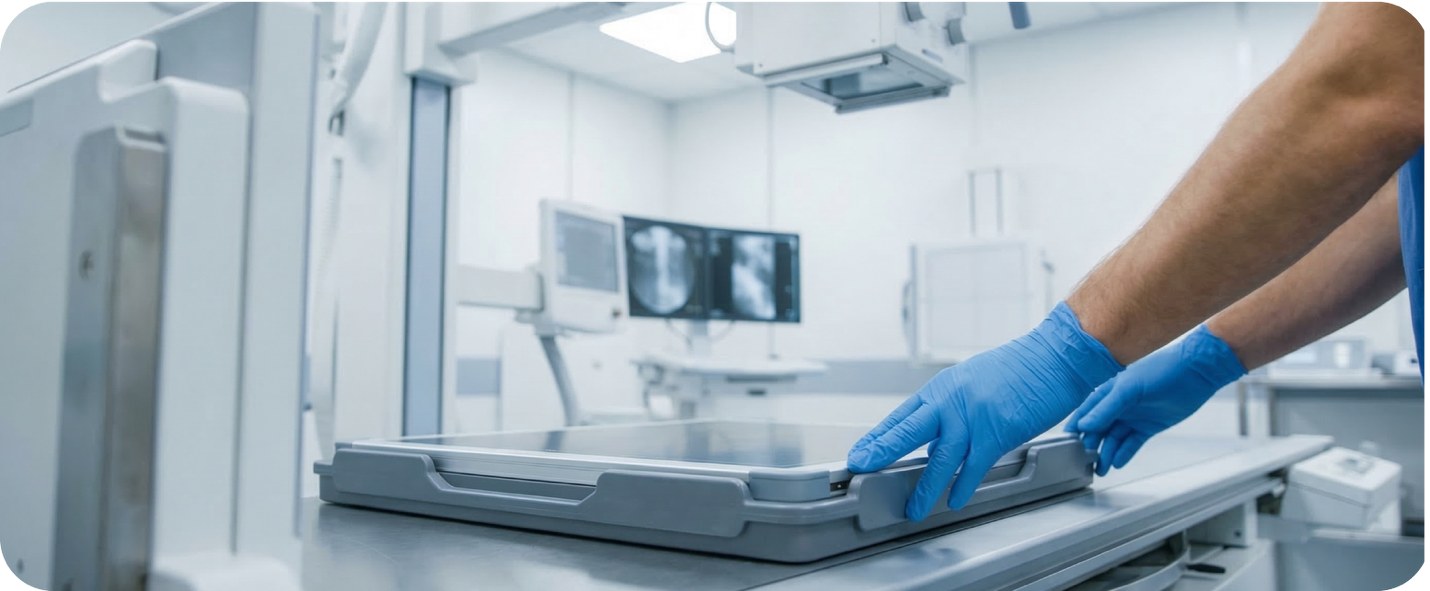
The common misconception is that taking a diagnostic image is a point-and-click affair. In reality, every exam calls on a working knowledge of anatomy, positioning, equipment, and imaging technique, all aimed at one goal: an image that answers the clinical question.
And no two patients make it easy in the same way. Someone with limited mobility needs a different approach. An injured patient may not be able to get into the textbook position. A bedside exam might mean maneuvering around IV poles and monitors while coordinating with the nurses in the room.
Rad techs read each situation and adapt, working within their scope and established protocols. The payoff is practical. Clear, useful images that radiologists can interpret, and care teams can act on.
What looks routine from the outside is usually a chain of deliberate choices, made quickly, by someone who knows exactly what they’re doing.
The Safety You Never See
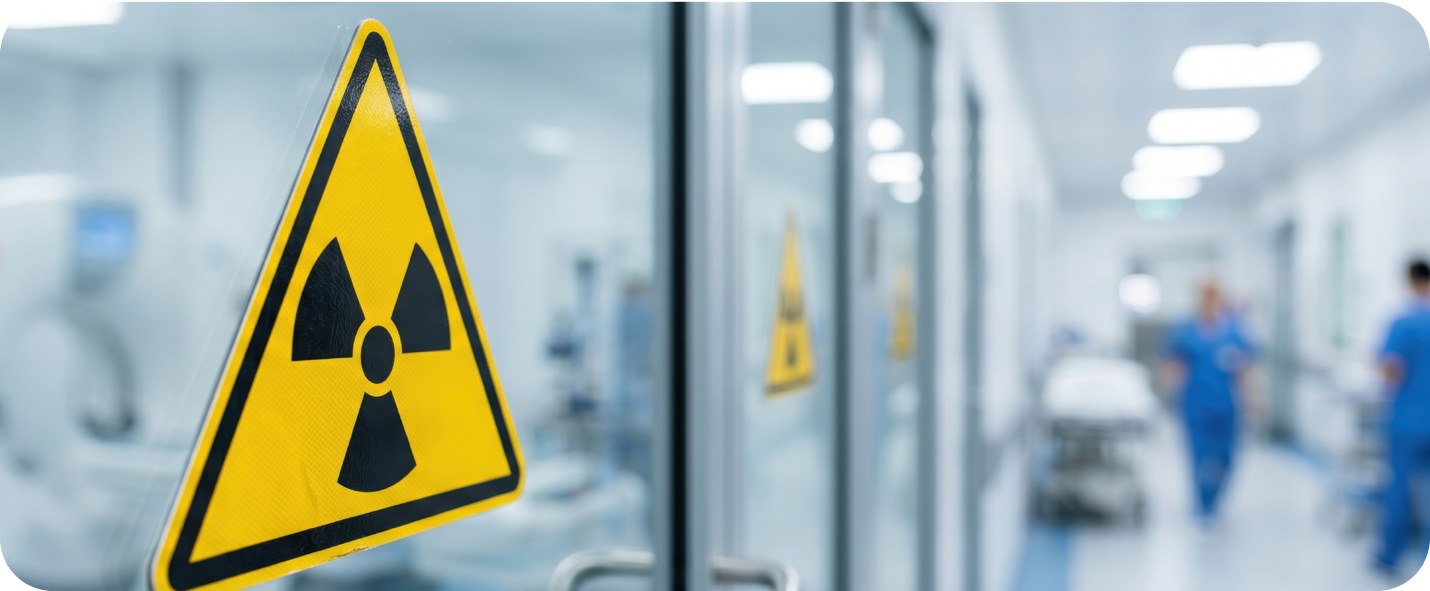
Safety isn’t a single step in imaging. It’s threaded through everything. Confirming who you are, double-checking the exam that was ordered, communicating clearly, positioning carefully, and meeting the specific demands of each modality.
When an exam involves ionizing radiation, technologists lean on their training and protocols to keep imaging practices appropriate. Across every setting, they’re also watching for the less obvious risks, like a patient who might move, a tricky transfer, infection control, or equipment that needs attention.
Most of this work is invisible, and that’s by design: a problem gets caught before the patient ever notices, a quick question clears up confusion before the exam starts, or a careful transfer keeps someone who’s weak, dizzy, or hurting from falling.
It’s easy to overlook the disaster that never happened and that’s exactly why it deserves the spotlight.
The Moments That Stay With You
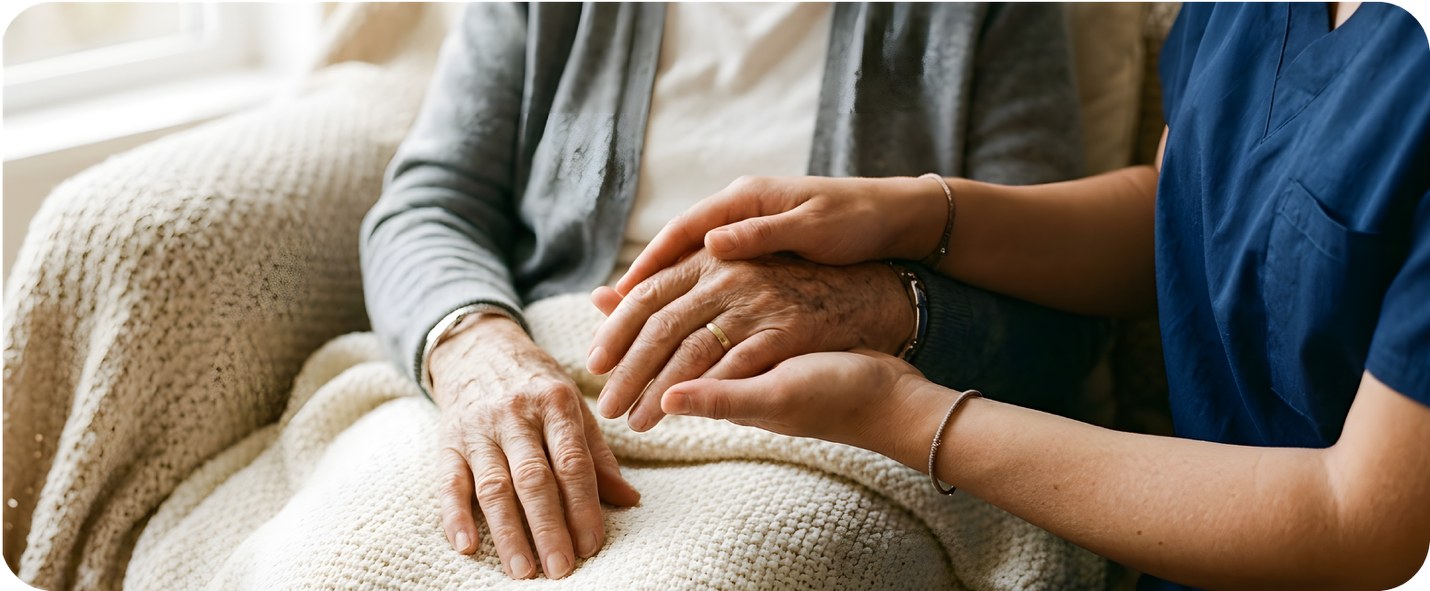
Ask any rad tech and they’ll tell you some patients follow you home.
Maybe it’s the frightened child who finally relaxes enough to hold still. Maybe it’s the older adult who needed a little more time and a gentler explanation. Or maybe it’s the patient whose real fear only surfaced after one simple question: “What worries you most about today?”
Compassion doesn’t have to mean a long conversation. Sometimes it’s speaking clearly and not rushing. Sometimes it’s pulling a gown closed, or simply admitting, “I know this position isn’t comfortable.”
Rad techs meet people at vulnerable moments, when everyday things feel hard and the room feels foreign. Their patience and respect help patients hold on to their dignity at a time when so much feels out of their control.
The Connectors
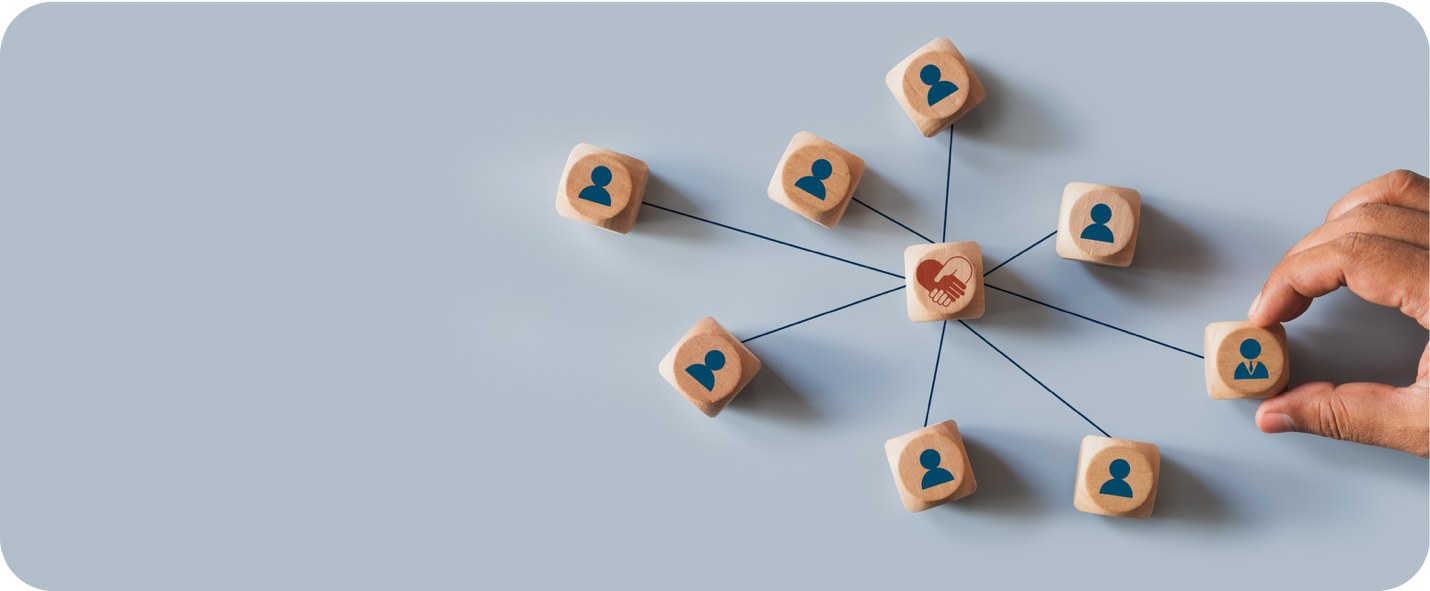
Imaging sits at a crossroads in healthcare, and rad techs keep the traffic moving.
On any given shift, they’re syncing with nurses, looping in radiologists, clarifying exam details, and guiding patients to their next step. In a busy department, that means juggling the urgent case that just came through the door with a full schedule, and adjusting on the fly as the day shifts.
Good teamwork takes more than speed. It takes clear communication, sound judgment, and the confidence to speak up when something seems off.
Rad techs bring something no one else in the chain has. A firsthand view of the exam and how the patient experienced it. When they pass along a limitation, a concern, or a detail that might affect the study, they help everyone downstream make better decisions. Every thoughtful handoff makes the whole system stronger.
Always Learning, Always Teaching

In radiologic technology, standing still isn’t an option. Equipment evolves, techniques improve, and departments keep refining how they deliver care.
So technologists keep learning. They keep sharpening their skills, mastering new systems, and growing their practice year after year. The veterans pay it forward, too, helping students and new colleagues build confidence with the kind of know-how that only comes from caring for countless different patients.
That mentorship is how the profession carries itself forward. One patient explanation during a tough exam can shape how a student handles the same situation for the rest of their career.
And the benefits ripple outward, to coworkers, to departments, and to every future patient on the table. Rad Tech Week is a chance to honor both the expertise techs already have and the work it takes to keep growing.
More Than One Week a Year
Celebrating rad techs means seeing the whole picture: the technical skill, the patient advocacy, the adaptability, the teamwork, and the compassion.
It also means listening to them, backing their professional growth, and making room for mentorship. Real appreciation looks like noticing great patient care when it happens, and acknowledging the challenges technologists navigate every single day.
The image may be the part everyone sees. But it never tells the whole story.
Behind it are careful decisions, practiced hands, reassuring words, and a person who showed up to help another person through an important moment.
So to every rad tech out there: THANK YOU. The difference you make goes far beyond the image. And while we may be officially recognizing you this week, the work you do matters every day of the year.
Blog Form Survey Meter Calibration Service